
Many apartment owners postpone renovation for as long as possible — until sockets start failing, paint peels off the walls, or the home simply stops feeling comfortable. In reality, renovating an apartment at least once every 5 years is not a luxury but a rational way to maintain comfort, safety, and property value. We work in Haifa and the Krayot area, as well as in Nesher and Tirat Carmel, and from practical experience we see a clear pattern: apartments that are renovated regularly require fewer emergency expenses in the long run. You can get a general overview of our approach on the main page:
https://renovation.nikk.co.il/
Why 5 Years Is the Optimal Interval
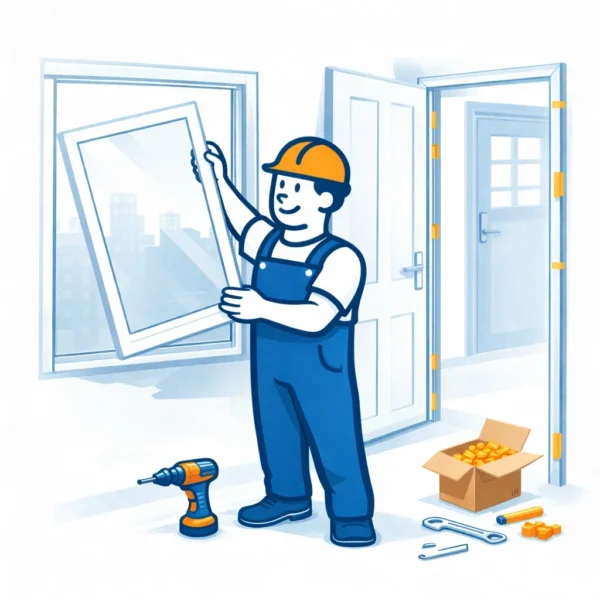
Renovation every 5 years does not necessarily mean a full-scale overhaul each time. In most cases, it is about planned updates: repainting, checking electrical systems, partial replacement of plumbing fixtures, renewing finishes, and fixing accumulated minor defects. Even in well-maintained apartments, natural wear builds up gradually and becomes noticeable over time.
This is especially relevant in coastal areas such as Haifa and the Krayot, where humidity and salty air accelerate material aging. Elements that still “seem fine” are often already close to the end of their service life.
Hidden Wear of Engineering Systems
One of the most common mistakes is judging an apartment’s condition only by its appearance. Walls may look acceptable, while behind them electrical wiring and plumbing are slowly deteriorating. Cables, sockets, circuit breakers, pipe joints — all of these wear out faster than many owners expect.
In practice, clients often contact us for cosmetic renovation, only to discover that urgent electrical or plumbing work is required. A planned renovation cycle every 5 years helps identify such issues early, avoid emergencies, and keep the budget under control.
Outdated Interiors Affect Daily Comfort
Even if everything technically works, interior design becomes outdated. Standards change: lighting solutions, storage systems, layouts, and materials evolve. What felt modern 7–8 years ago can now feel inconvenient or inefficient.
This is particularly noticeable in kitchens and bathrooms. Many clients ordering apartment renovation in Haifa do so not because something is broken, but because the space no longer fits their current lifestyle. Typical renovation solutions for Haifa apartments are described here:
https://renovation.nikk.co.il/remont-kvartir-v-hajfe/
Renovation as a Way to Preserve Property Value
An apartment is an asset, and like any asset, it requires maintenance. Renovating every 5 years helps preserve and often increase its market value. This becomes especially important if you plan to rent out or sell the property.
In the Krayot real estate market, the difference is obvious. Apartments with regular upkeep look more attractive and sell faster than those that have not been renovated for 10–15 years. That is why many property owners plan apartment renovation in the Krayot proactively, rather than waiting for serious problems to arise:
https://renovation.nikk.co.il/remont-kvartir-v-krajot/
Renovation After Tenants Is Almost Mandatory
A separate category is apartments after long-term rental. Even with careful tenants, wear accumulates: scratched walls, damaged skirting boards, outdated switches, tired plumbing. If renovation is postponed, each subsequent update becomes more expensive and complicated.
Renovating every 5 years allows owners to limit the scope to cosmetic work and targeted upgrades instead of a full rebuild. This approach is especially common in Kiryat Ata and nearby cities, where many apartments are purchased as investments. A practical example of this renovation logic can be seen here:
https://renovation.nikk.co.il/remont-kvartir-v-kiryat-ata/
Psychological Comfort Matters More Than It Seems
The psychological factor is often underestimated. Living space has a direct impact on daily well-being. Faded colors, poor lighting, and recurring minor issues create constant background discomfort, even if residents get used to it.
After renovation, many people describe the feeling as “moving into a new apartment,” even though the address remains the same. Planned renovation every 5 years helps maintain this sense of freshness and order without major disruptions.
Long-Term Savings Instead of Emergency Repairs
Avoiding renovation almost always leads to the same scenario: after 8–10 years, a large and costly renovation becomes unavoidable. Regular updates every 5 years allow expenses to be spread out, prevent emergency situations, and reduce the need for rushed decisions.
We see this pattern repeatedly in Haifa, Kiryat Bialik, Kiryat Motzkin, Kiryat Yam, Kiryat Haim, Nesher, and Tirat Carmel. Owners who maintain their apartments systematically spend less over time than those who delay renovation until problems escalate.
Renovation Does Not Always Mean “Turnkey”
It is important to understand that renovation every 5 years does not automatically mean a full turnkey project. In many cases, it is enough to:
-
refresh wall paint,
-
replace part of the tiles,
-
upgrade selected plumbing elements,
-
improve electrical installations,
-
make small adjustments in the kitchen or bathroom.
An experienced renovation team can clearly distinguish between what needs immediate attention and what can safely wait. This approach ensures a reasonable balance between budget and result.
Conclusion: Renovation as a Normal Life Cycle of an Apartment
When an apartment is seen as a living space rather than something “permanent forever,” renovation every 5 years becomes a logical and practical decision. It reduces risks, protects property value, saves money in the long term, and improves everyday quality of life.
For those already planning renovation in Haifa, the Krayot (Kiryat Ata, Kiryat Bialik, Kiryat Motzkin, Kiryat Yam, Kiryat Haim), as well as in Nesher and Tirat Carmel, the real question is not whether the time has come — but which works make sense now and how to carry them out efficiently and professionally.